Improving your home’s insulation is one of the most effective ways to boost energy efficiency, regulate indoor temperatures, and lower monthly utility bills. When evaluating insulation options, spray foam stands out as a premier choice due to its superior air-sealing capabilities and high R-value per inch. However, as homeowners look for ways to cut costs, the market for do-it-yourself spray foam kits has grown significantly. While taking on a weekend DIY project can be tempting, applying spray foam insulation is a complex chemical process that carries real risks when done incorrectly. Understanding the critical differences between a self-applied kit and professional installation will help you protect your safety, your budget, and your home’s structural integrity.
The Appeal and Hidden Pitfalls of DIY Kits
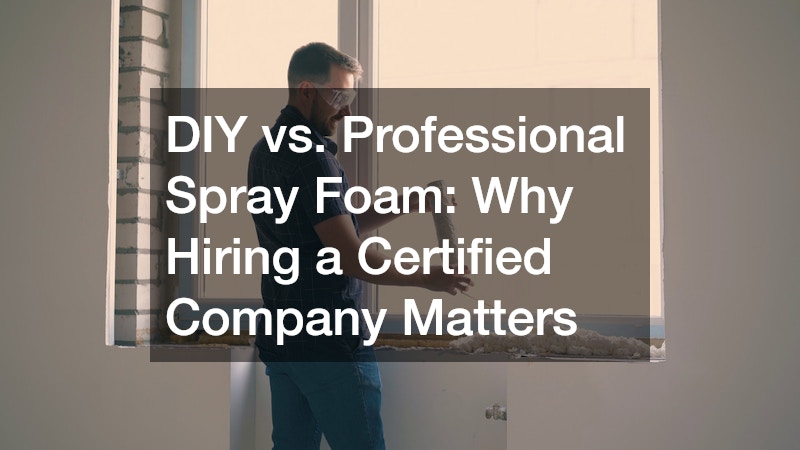
At first glance, purchasing a DIY spray foam kit from a home improvement store seems like a cost-effective alternative to hiring specialized contractors. These kits typically come with two pressurized cans or small tanks, hoses, and a spray gun designed for small-scale projects like sealing around windows, doors, or small rim joists. For minor touch-ups or small air leaks, a quick DIY application can work adequately.
However, scaling a DIY kit up to cover larger areas like attics, crawlspaces, or full wall cavities quickly reveals major limitations. DIY kits utilize low-pressure systems that lack the precise temperature controls and mixing power of commercial machinery. Furthermore, the cost per board foot for consumer kits is significantly higher than the raw material costs used by professional crews. When covering significant square footage, buying multiple DIY kits often ends up costing nearly as much as hiring top spray foam insulation companies, without any of the guarantees, warranties, or superior coverage that experts provide.
The Complex Chemistry Behind Spray Foam Application
The primary reason why DIY spray foam projects fail comes down to chemistry. Spray foam is not simply a ready-made material coming out of a can; it is created on-site by combining two chemical components—typically designated as “Side A” (isocyanates) and “Side B” (a polyol resin blend). When these chemicals mix at the nozzle, a precise chemical reaction occurs, causing the liquid to expand rapidly into a dense, solid insulating foam.
To create a safe, stable, and durable barrier, these chemicals must be heated to specific temperatures and mixed at an exact 1:1 ratio under high pressure. Established spray foam insulation companies invest heavily in commercial-grade rigs, heated hoses, and specialized proportioners to maintain perfect chemical equilibrium. When a DIY application strays off-ratio or is applied at the wrong temperature, the foam may fail to cure properly. Off-ratio foam can shrink, pull away from studs, remain sticky, or continuously emit unpleasant, toxic chemical odors known as off-gassing. Correcting improperly cured foam requires expensive, professional remediation to strip the ruined material down to the studs.
Safety Risks and Environmental Controls
Applying polyurethane spray foam requires strict safety protocols that go beyond basic safety glasses and a dust mask. During the spraying process, volatile organic compounds (VOCs) and airborne chemicals are released into the surrounding air. Professional technicians undergo rigorous training to handle these hazardous substances safely.
Certified crews wear full-face respirator masks connected to fresh-air supply systems, full-body protective suits, and heavy-duty gloves. Additionally, trained installation teams set up negative-pressure containment and specialized ventilation equipment to ensure chemical vapors do not migrate into the living spaces of your home during the application and curing phases. Without proper industrial containment, personal protective equipment, and ventilation management, DIYers risk acute respiratory irritation, chemical sensitization, and long-term health complications.
Precision, Technique, and Building Code Compliance
Beyond chemical balancing and safety, applying spray foam effectively requires a high level of physical skill and knowledge of building science. Experienced technicians know exactly how thick to apply each layer (or “lift”) of foam. Applying closed-cell foam too thick in a single pass can trap heat within the expanding material, creating a severe fire hazard or causing internal scorching that ruins the insulation’s structural integrity.
Reputable spray foam insulation professionals also understand local building codes, moisture barrier requirements, and thermal barrier regulations. For example, building codes generally require an approved ignition or thermal barrier, such as drywall or specialized intumescent paint, over exposed spray foam in inhabited spaces and attics used for storage. A professional crew ensures your installation complies fully with local building codes, passes municipal inspections, and preserves your home’s resale value.
Why Partnering with Professionals Delivers True Value

While the initial price tag of a professional installation may seem higher than buying a few retail kits, hiring certified spray foam insulation companies delivers long-term savings, safety, and performance. Certified contractors bring specialized machinery, deep building science expertise, and comprehensive liability insurance to every job site.
When you work with a certified installer, your project is backed by manufacturer warranties and workmanship guarantees that protect your investment for decades. Professional application guarantees a continuous, airtight seal that maximizes energy efficiency, prevents moisture intrusion, and provides lasting comfort. Rather than risking health hazards, costly material waste, and structural damage with a DIY approach, trusting experienced professionals ensures the job is completed correctly and safely the first time.