Every year, homeowners watch thousands of dollars slip through the cracks of their houses. It rarely happens all at once. Instead, it is a steady drain caused by a slow air leak in the attic, an inefficient cooling system struggling through a humid July, or a neglected seal around a window frame. The true cost of homeownership often lies not in the mortgage payment, but in the ongoing, predictable expense of maintaining and powering the structure.
Most people handle these costs reactively. They wait for a mechanism to snap, a pipe to leak, or an energy bill to spike before taking action. Unfortunately, emergency fixes are almost always the most expensive way to care for a property. By shifting from a reactive mindset to a strategic one, you can transform your property into an efficient, low-maintenance asset. Making intentional, high-return updates across your home’s exterior shell, mechanical systems, and interior finishes cuts daily utility expenses while shielding you from sudden repair bills down the road.
Beyond the immediate relief on your monthly bank statement, proactive building management alters how your property ages over time. When water is effectively shed away from foundations, air movement is controlled, and mechanical components are kept within optimal operating parameters, building materials simply last longer. A well-maintained structural envelope reduces the rate of depreciation on structural framing, siding, subfloors, and interior finishes. This means you spend far less time dealing with contractor schedules and disruptive tearing-out of materials, allowing you to spend your time enjoying your living space rather than managing its decay.
Targeting Invisible Air Leaks Before They Drive Up Heating and Cooling

Consider a typical winter evening. You set the thermostat to a comfortable temperature, yet a slight, persistent draft travels across the living room floor. Most homeowners respond by turning up the heat, unwittingly forcing their heating unit to work double time. In reality, your house is likely suffering from stack effect, where warm air rises and escapes through upper-level gaps, pulling cold air in through the lower levels.
Fixing this issue requires a systematic look at your building envelope, starting from the ground up and moving toward the roof.
- Perform a DIY Smoke Test: On a windy day, light an incense stick and walk slowly around the interior perimeter of your house. Hold the smoke near baseboards, electrical outlets, window casings, and exterior door frames. Where you see the smoke flutter or blow sideways, mark the spot with a piece of painter’s tape for sealing later with caulk or expanding foam.
- Inspect the Attic Deck: Crawl space and attic insulation often settle over time, leaving gap-riddled air paths around plumbing stacks and light fixtures. Adding blown-in cellulose or fiberglass batts directly over older material stops heat from venting straight out through the attic.
- Examine the Exterior Shell: Take a walk outside and inspect the higher levels of your property. Ensure that flashing around chimneys and vents remains intact. When you have trusted roofers inspect your shingles annually, ask them to check the soffit vents and attic ridge caps to ensure air circulates properly without letting conditioned air escape.
- Evaluate Thermal Breaks Underfoot: Uninsulated subfloors above crawl spaces or unheated garages act as massive heat sinks. Replacing old, worn surfaces with modern insulated underlayment paired with engineered wood or luxury vinyl flooring creates a thermal barrier that keeps floors warm and reduces overall heating demands.
Taking the time to systematically locate and seal these invisible breaches stops thermal transfer, allowing your home to maintain its temperature with significantly less energy input.
Zoning Your Home for Maximum Comfort and Thermal Efficiency
Think about how your family uses your living space throughout the day. During the morning, everyone might gather in the kitchen and dining area. By evening, the focus shifts to the bedrooms or a basement media room. Yet, standard central HVAC systems treat the entire house as a single unit, blowing cold or warm air into empty guest rooms and unused hallways all day long. This uniform approach wastes energy and creates uneven temperature zones where some rooms feel like iceboxes while others remain uncomfortably warm.
Traditional central systems blow air everywhere equally, delivering conditioned air to empty rooms and wasting electricity. Zoned systems and targeted units, on the other hand, allow you to tailor climate output based on time of day and room usage.
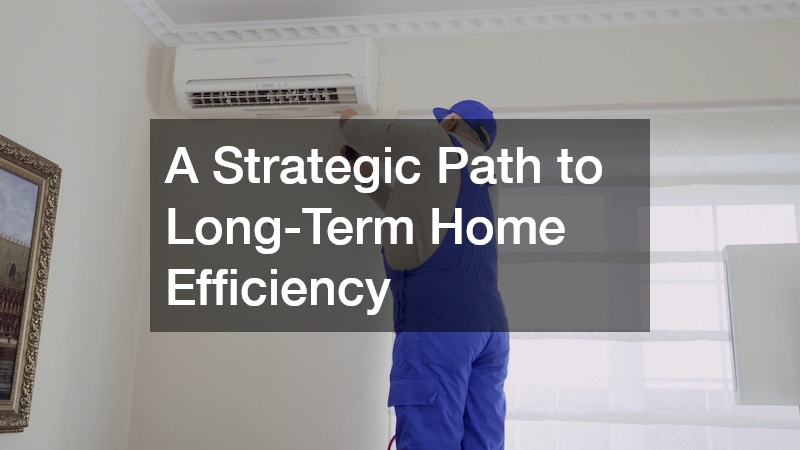
If you have an addition, a sunroom, or a stubborn upstairs bedroom that never reaches the right temperature, forcing your primary furnace or air conditioner to handle the burden is inefficient. Installing a ductless mini split allows you to control the climate of individual rooms independently, so you only spend money conditioning the spaces you are actively using.
Beyond adding targeted units, keeping your central equipment operating smoothly is crucial for preventing sudden spikes in electrical usage. When coils become caked with dust or refrigerant levels drop, compressors work significantly harder to produce the same cooling effect. Scheduling regular maintenance and addressing minor performance drops with prompt AC system repair ensures the machinery runs at peak seasonal efficiency, cutting monthly operational costs and preventing costly total system failures.
Automating Thermal Barriers to Block Summer Heat Gain

It was two o’clock on an August afternoon, and the sun was beating directly against a set of west-facing living room windows. The glass was hot to the touch, and even with the air conditioning running continuously, the room felt stifling. Scenarios like this play out in millions of homes every summer. Solar heat gain through glass is one of the single largest drivers of high cooling costs, forcing your cooling equipment to run non-stop just to hold the line against the afternoon sun.
While manual blinds help, they require you to remember to shut them before leaving for work in the morning. If you forget, your home absorbs heat all day, leaving your system to fight a losing battle by the time you return.
Automating this process changes the equation entirely. By setting up motorized window shades programed to lower automatically during peak solar hours, you create a dynamic barrier against heat gain without lifting a finger. On hot summer days, sensors or timers close the shades on the southern and western exposures during the hottest afternoon hours, blocking radiative heat before it enters your living spaces. In winter, the routine reverses: shades open fully during sunny mornings to collect free passive solar heat, then lower at dusk to add an extra insulating layer against the freezing night air.
Smart window treatments also extend the life of your indoor furniture, area rugs, and wall art by filtering out harmful ultraviolet light. UV rays break down organic dyes and wood finishes over time, leading to premature fading, cracking, and structural brittleness in leather goods and hardwood trim. By blocking these direct light rays during peak solar periods, you protect your costly interior assets from light degradation while simultaneously keeping indoor temperatures stable.
Selecting Non-Porous Surfaces That Stand Up to Daily Wear and Tear
High-traffic areas like kitchens and bathrooms absorb immense physical stress. Between water splashes, hot cookware, spilled liquids, and aggressive cleaning chemicals, low-quality or porous materials deteriorate rapidly. Once moisture penetrates a countertop, subfloor, or wall cavity, the resulting rot, mold, and structural warping can quickly cause repairs to cost thousands of dollars.
A common mistake homeowners make during updates is prioritizing initial cosmetic appeal over long-term durability. Butcher block counter surfaces or natural, unsealed marble may look striking in a showroom, but they require constant sealing, careful maintenance, and remain highly susceptible to water damage and staining. Selecting non-porous quartz or high-grade composite materials eliminates the ongoing cost of sealants and shields surrounding cabinetry from hidden water damage.
While unsealed marble or butcher block requires high maintenance and constant sealing, non-porous composites and engineered quartz require zero sealing and remain highly resistant to water damage, scratches, and staining.
Execution matters just as much as material selection. A poor installation can leave micro-gaps along backsplashes or behind sinks where water collects unnoticed, quietly rotting underlying drywall and support structures over time. Working with experienced local home remodelers ensures that critical plumbing cutouts are properly sealed and that weight-bearing structures are correctly reinforced. Choosing durable materials and securing professional countertop installations helps you build a kitchen space that resists moisture damage for decades with minimal maintenance.
The long-term economic benefit of durable interior finishes extends directly into daily household sanitation routines. Porous materials require specialized, expensive pH-neutral cleaning formulations to avoid stripping away protective top layers, whereas non-porous surfaces can be disinfected using simple, low-cost micro-fiber cloths and mild soaps. Eliminating specialized chemical treatments cuts down on recurring grocery expenses while creating a healthier, low-allergen environment for your family.
Preventative Maintenance Routines for Heavy Moving Parts

The largest moving component on your property is likely your garage door. Weighing anywhere from 150 to over 300 pounds, it operates under immense mechanical tension multiple times a day, every single day of the year. Because it functions reliably in the background, most homeowners completely ignore the system until it abruptly fails, often leaving a vehicle trapped inside or exposing the home to security risks.
Preventing expensive emergency call-outs requires a basic understanding of mechanical wear.
- Listen for Early Warning Signs: Grinding noises, jerky movements, or slow operation usually point to worn rollers, misaligned tracks, or failing torsion springs.
- Keep Moving Parts Lubricated: Apply a specialized silicone-based garage door lubricant to high-friction components—including springs, hinges, and metal rollers—every six months. Never use standard WD-40, which attracts dust and strips away heavy lubricant.
- Respect High-Tension Components: While clearing tracks and lubricating hinges are easy DIY tasks, adjusting or replacing torsion springs is dangerous due to the extreme tension involved. Attempting to fix these components without proper training can result in severe injury or extensive structural damage. Leaving garage door spring repairs to trained technicians ensures the work is completed safely and preserves the opener motor by keeping the system balanced.
Beyond mechanical functionality, keeping access points tightly fitted guards against micro-climates inside adjacent garages. Cold or uninsulated garages leech energy directly from attached living spaces through shared interior walls and bonus room floors overhead. Ensuring your door opens smoothly allows perimeter weather seals to rest flush against the frame, closing off large air gaps that would otherwise drag down the thermal performance of nearby rooms.
Optimizing External Structures and Water Features for Low Upkeep
Maintaining the exterior of your property can feel like a relentless cycle of painting, scraping, chemical treatments, and power washing. Outdoor elements like weather, UV exposure, and ground moisture constantly degrade exterior structures, draining your weekend time and maintenance budget. Rethinking how you manage outdoor features helps you streamline operations, reduce utility use, and minimize labor.
Consider your backyard boundary line. Traditional wood fencing requires staining, sealing, or painting every few years to prevent rot, warping, and termite damage. Swapping out aging wood for heavy-duty vinyl or powder-coated aluminum fencing eliminates these repeating expenses entirely. When replacing boundary structures, working with a professional fence installer ensures posts are set beneath the frost line in solid concrete bases, preventing soil shifting from causing sag or collapse after heavy winter freezes.
Outdoor utility usage is another area where costs can quietly multiply, particularly if you manage a swimming pool. Traditional single-speed pool pumps are notoriously inefficient, often running at full power regardless of actual circulation needs and adding hundreds of dollars to monthly electric bills. Switching from a standard single-speed pump to an energy-efficient variable-speed model drops power draw by up to 70 percent through low-RPM circulation cycles.
Integrating a variable-speed pump during a broader pool renovation reduces electrical consumption drastically by running circulation cycles at lower, highly efficient speeds over longer periods. Pairing these mechanical updates with modern pebble-finish plaster or composite coping protects the shell against chemical erosion, ensuring your outdoor oasis remains enjoyable without absorbing endless maintenance funds.
A Strategic Path to Long-Term Home Efficiency
Decreasing annual home costs does not require a complete, overnight overhaul of your property. Trying to address every system at once can be overwhelming and financially draining. Instead, view home maintenance as a strategic, multi-year plan where each targeted improvement compounds over time to lower utility bills and reduce routine upkeep expenses.
Start small by identifying the areas currently causing the most financial friction. Perform a quick audit of your home’s air leaks, schedule seasonal servicing for critical mechanical systems, or switch out high-maintenance materials as rooms naturally come due for updates. Every sealed draft, updated appliance, and resilient finish reduces the daily demand on your house and your wallet. By taking a proactive approach today, you transform your home into an efficient, durable, and low-stress space that retains its value for decades to come.