Many homeowners unintentionally fall into the same cycle: a problem appears, it becomes urgent, and repairs happen only after something fails. A leaking pipe, a damaged driveway, or mold in the basement often starts as a small issue that could have been addressed earlier at a fraction of the cost.
Preventive home care flips that pattern. Instead of reacting to problems, homeowners maintain the systems and structures that keep their homes functioning properly. That proactive approach reduces emergency repairs, extends the lifespan of major components, and protects long-term property value.
A home is made up of dozens of interconnected systems—plumbing, exterior surfaces, drainage, landscaping, utilities, and more. When even one of these systems is neglected, it can affect others. Moisture issues can spread from the roofline to siding and eventually to interior walls. Poor drainage can damage pavement, landscaping, and the foundation.
The good news is that the most expensive repairs begin with small warning signs. With regular maintenance and attention to early signals, homeowners can address problems before they escalate. Over time, these preventative steps save thousands of dollars and reduce the stress that comes with unexpected repairs.
Preventive care is not about constant renovation or expensive upgrades. Instead, it is about consistent attention to the parts of a home that quietly work every day.
Maintain Exterior Surfaces to Prevent Structural Damage
A home’s exterior is its first line of defense against weather, moisture, and temperature changes. When that protective barrier weakens, small vulnerabilities can lead to much larger structural problems.
One of the most overlooked maintenance tasks is routine cleaning of exterior surfaces. Dirt, mildew, and algae do more than make a home look worn down. They hold moisture against siding and trim, gradually degrading materials. Regular professional power washing removes this buildup and helps exterior surfaces last longer.
Beyond cleaning, periodic inspections are just as important. Cracked panels, warped boards, or soft spots in exterior walls are early indicators that moisture may be entering the structure. Catching these signs early allows a siding contractor to repair or replace small sections before the problem spreads behind the walls.
Exterior maintenance often follows a seasonal rhythm:
Spring
- Clean exterior walls and surfaces
- Check for winter storm damage
- Inspect siding seams and joints
Summer
- Repaint or seal vulnerable areas
- Look for insect damage or wood rot
Fall
- Clear debris from siding edges
- Inspect areas where water tends to accumulate
When homeowners stay ahead of these tasks, they avoid the cascading damage that often leads to costly structural repairs.
Think of exterior maintenance as preserving the shell of the home. When that shell stays strong, everything inside remains better protected.
Invest in Landscape Maintenance That Protects Your Home
Landscaping is often viewed primarily as an aesthetic feature. A neat yard improves curb appeal and creates an inviting outdoor space. But landscaping also plays a crucial structural role in protecting the home itself.
Poor grading and unmanaged vegetation can direct water toward the foundation rather than away from it. Over time, this increases the risk of cracks, shifting foundations, and basement leaks.
A landscaping contractor can evaluate how water moves across the property and recommend improvements such as:
- Adjusting slopes around the home
- Installing drainage channels
- Repositioning garden beds that trap water
These small adjustments help redirect water safely away from the structure.
Trees deserve particular attention. Mature trees provide shade and beauty, but they can also become hazards if they are not properly maintained. Routine tree care helps prevent branches from damaging roofs during storms and stops roots from interfering with foundations, sidewalks, and underground utilities.
Healthy trees also provide energy benefits. Strategically placed shade trees can reduce cooling costs by protecting the home from intense afternoon sun. In winter, bare branches allow sunlight to warm exterior walls.
A homeowner who prioritizes landscaping maintenance is doing far more than maintaining appearances. They are actively protecting the home’s structure and improving its long-term efficiency.
Keep Plumbing Systems Flowing to Avoid Major Repairs
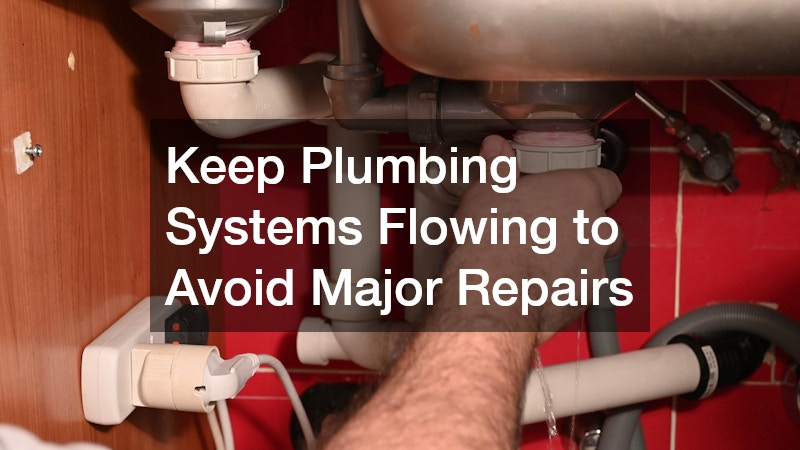
Plumbing problems often escalate quietly. A small clog deep inside a pipe can slowly worsen over months until one day water backs up into sinks or tubs. By that point, the repair is often urgent and expensive.
Preventive maintenance focuses on keeping pipes clean and systems operating efficiently.
One powerful method for maintaining drain systems is hydrojetting. This process uses high-pressure water to remove buildup inside pipes, including grease, soap residue, mineral deposits, and debris. Unlike traditional snaking methods, hydrojetting clears the entire pipe interior rather than simply punching through a clog.
When performed periodically, it prevents the gradual narrowing of pipes that leads to recurring blockages.
Water heating systems also benefit from routine maintenance. Over time, sediment accumulates inside tanks, forcing the system to work harder and reducing efficiency. A water heater expert can flush the system, check heating elements, and inspect safety components.
Homeowners sometimes ignore small signs that their plumbing system needs attention. These warning signals often appear early:
- Fluctuating water temperatures
- Unusual rumbling sounds from the heater
- Slow draining sinks
- Reduced water pressure
Addressing these signs early keeps plumbing systems reliable and avoids sudden failures that can cause water damage throughout the home.
Protect Your Home From Water Damage at the Roofline
Water is one of the most destructive forces a home faces, and much of that water begins its journey at the roofline.
Rainwater that flows off the roof must be directed away from the structure quickly and efficiently. Without proper drainage, water can seep behind siding, collect near the foundation, or damage roof components.
A properly designed gutter installation system plays a critical role in protecting the home. Gutters collect rainwater and direct it toward downspouts that carry it safely away from the structure.
However, even the best gutter system fails if it becomes clogged. Leaves, twigs, and debris accumulate quickly, especially in areas with large trees nearby.
Routine tree care can significantly reduce the amount of debris that reaches gutters in the first place. Trimming overhanging branches and removing dead limbs helps minimize blockages and reduces the need for frequent cleaning.
Ignoring gutter maintenance often leads to subtle damage that grows over time. Water spilling over the sides of clogged gutters can cause:
- Rotting fascia boards
- Damaged roof edges
- Soil erosion around the foundation
- Basement moisture issues
Regular inspection and cleaning ensure that rainwater follows the path it was designed to take—away from the home.
Maintain Outdoor Surfaces Before Cracks Become Major Repairs
Driveways, patios, and walkways quietly endure years of weather exposure, vehicle weight, and seasonal expansion and contraction. Small cracks may appear insignificant at first, but they often signal the beginning of larger structural deterioration.
When moisture seeps into cracks and freezes during colder months, the expansion widens those gaps. Over time, surfaces begin to crumble or sink unevenly.
Professional paving contractors can repair minor cracks and reseal surfaces before the damage spreads. Early intervention is far less expensive than replacing an entire driveway or walkway.
Surface cleaning also contributes to longevity. Professional power washing removes substances that gradually weaken concrete and pavers, including oil stains, moss, and algae. By removing these materials, homeowners prevent slow deterioration that may otherwise go unnoticed.
Homeowners can extend the lifespan of outdoor surfaces by paying attention to small changes:
- Hairline cracks are forming in the concrete
- Sections of pavement that collect water
- Areas where surface color darkens due to moisture
Addressing these early signs preserves both appearance and structural integrity.
Protect Your Basement From Moisture and Structural Problems
Basements are particularly vulnerable to moisture because they sit below ground level. Even minor water infiltration can lead to mold growth, damaged walls, and long-term structural issues.
Preventive strategies focus on controlling water before it enters the space.
In some homes, improving interior waterproofing may involve professional upgrades from basement renovation services. These improvements may include installing moisture barriers, updating drainage systems, or improving insulation and ventilation.
Drain lines also play a critical role in keeping basement areas dry. When these drains become clogged, water can back up quickly during heavy rain or plumbing use. Periodic hydrojetting helps keep these lines clear and ensures that drainage systems function properly.
Basement moisture problems rarely appear overnight. Instead, they begin with subtle clues:
- Musty odors after rainfall
- Peeling paint on the basement walls
- Condensation on pipes or surfaces
- Small puddles forming near floor drains
Addressing these signals early prevents larger structural repairs and keeps the basement usable for storage or living space.
Maintain Utility Systems to Avoid Unexpected Breakdowns
Utility systems are often out of sight and out of mind. Yet they power many of the daily comforts that homeowners depend on.
Fuel systems, in particular, require periodic inspection. A propane gas tank should be checked regularly for valve integrity, regulator performance, and overall system safety. Even minor leaks or pressure irregularities can create safety risks if left unaddressed.
Water heating systems also benefit from routine professional attention. Scheduling periodic service with a water heater expert helps identify worn components and efficiency issues before they lead to breakdowns.
Preventive care for utility systems may include:
- Inspecting fuel lines and connections
- Checking pressure regulators
- Flushing water heater tanks
- Testing safety valves
These routine inspections take relatively little time but significantly reduce the risk of sudden failures that disrupt daily life.
Utility maintenance is about reliability. When these systems are regularly serviced, homeowners experience fewer surprises and lower long-term operating costs.
Plan Exterior Improvements That Increase Property Value
Preventive home care does more than avoid repairs. It also strengthens a property’s long-term value.
Many exterior improvements serve a dual purpose: they improve everyday function while increasing curb appeal and resale potential.
A landscaping contractor can design outdoor spaces that manage drainage, protect the foundation, and enhance visual appeal at the same time. Thoughtful landscaping improves how water flows across the property and helps maintain soil stability.
Similarly, driveway and walkway improvements completed by paving contractors can significantly improve the appearance and usability of a property. Smooth, well-maintained hardscape signals that the home has been cared for properly.
Homebuyers often notice these details immediately when evaluating a property. Well-maintained exterior features communicate that the homeowner has consistently invested in upkeep.
Strategic preventive improvements create a positive cycle: the home becomes more functional, more attractive, and more valuable over time.
A Long-Term Approach to Caring for Your Home
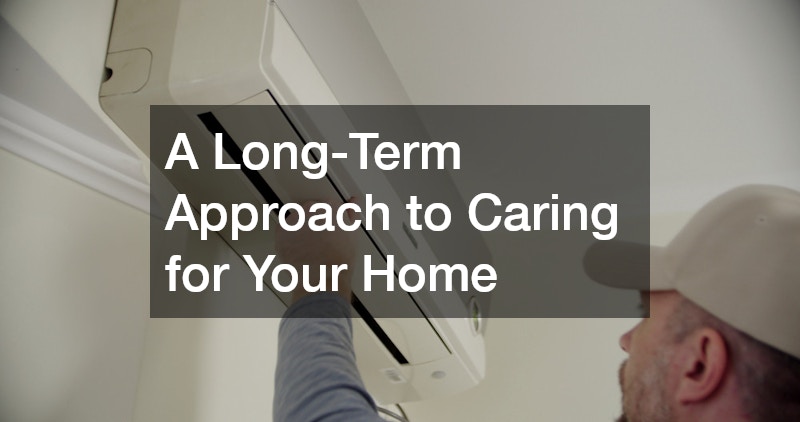
Preventive home care is ultimately about perspective. Instead of seeing maintenance as an inconvenience or expense, homeowners begin to recognize it as an investment in stability, comfort, and financial protection.
Small tasks performed regularly can prevent major disruptions later. A simple inspection today might reveal an issue that costs a few hundred dollars to fix, but could have grown into a repair costing thousands.
Over the life of a home, these decisions add up. Routine maintenance extends the lifespan of materials, reduces emergency repairs, and helps homeowners feel confident in the condition of their property.
The goal is not perfection. Every home requires repairs at some point. But when homeowners stay attentive to the systems that keep their house functioning, those repairs tend to be manageable rather than overwhelming.
In the long run, preventive care offers one of the most reliable ways to protect both the home and the investment it represents.