Maintaining a home can sometimes feel overwhelming, but most problems are manageable when approached systematically. Whether it’s small maintenance tasks or larger repairs, identifying issues early can save time, money, and stress. This guide provides actionable solutions for common household challenges, helping homeowners protect their investment and maintain a safe, comfortable living environment.
1. Maintaining and Repairing Your Home’s Exterior
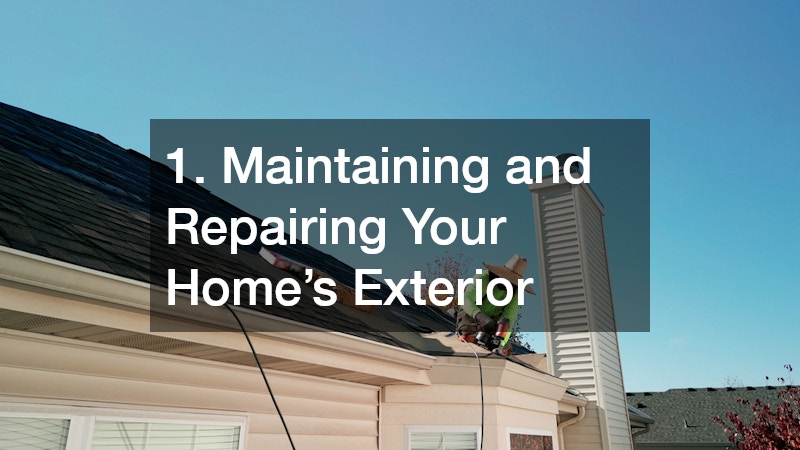
The exterior of a home is its first line of defense against weather, pests, and decay. Damaged siding can lead to water infiltration, pest infestations, and decreased curb appeal. Homeowners should regularly inspect siding for cracks, warping, or rotting areas and address minor issues before they escalate. Neglecting these problems can result in more extensive repairs, higher costs, and even structural damage over time. The condition of your siding also affects energy efficiency, as gaps or compromised panels can allow drafts, moisture, and heat loss.
Tips for Maintaining a Home’s Exterior:
- Examine siding annually for visible damage or loose panels.
- Clean siding with a mild detergent or pressure washer to remove dirt and algae.
- Seal small cracks or gaps with exterior-grade caulking to prevent water intrusion.
- Remove debris from around the base of siding to reduce moisture retention.
- Repaint or reseal wood siding as needed to maintain a protective barrier.
- Trim nearby trees and shrubs to prevent scratches, moisture buildup, or insect infestations.
For larger projects, hiring professional siding contractors is advisable. They can handle full siding installation, ensure proper sealing, and select durable materials suited to your region’s climate. Additionally, professionals can evaluate insulation and underlying materials to optimize energy efficiency and prevent long-term damage. A well-maintained exterior not only protects your home but also enhances its curb appeal and resale value, providing both immediate and long-term benefits.
2. Keeping Your Roof Strong and Leak-Free
The roof is one of the most critical components of a home, shielding interiors from weather damage such as rain, snow, hail, and intense sunlight. Its condition directly impacts the structural integrity of the house, energy efficiency, and even the safety of occupants. Early detection of problems can prevent costly repairs and extend the life of roofing materials, saving homeowners both time and money in the long run. Regular roof inspections allow homeowners to identify missing shingles, leaks, or other structural concerns before they develop into serious issues. Additionally, consistent inspections can help maintain warranties, as many manufacturers require documented maintenance.
Tips for Maintaining a Roof:
- Inspect shingles for curling, cracks, missing pieces, or granule loss.
- Check flashing around chimneys, vents, skylights, and valleys for signs of rust, gaps, or deterioration.
- Clear gutters and downspouts of leaves, twigs, and debris to prevent water accumulation and roof edge damage.
- Repair small leaks promptly using roofing sealant or patch materials to prevent water from seeping into the decking.
- Trim overhanging branches to reduce the risk of shingles being damaged by falling limbs.
- Ensure attic ventilation is adequate to prevent heat and moisture buildup, which can degrade shingles and lead to mold growth.
For major damage or aging roofs, professional roof repair services provide long-term protection. Licensed roofers can identify underlying structural issues, recommend durable materials suited to your regional climate, and create a maintenance schedule to reduce the risk of future problems. Proper professional care not only restores functionality but also improves energy efficiency, enhances curb appeal, and increases the overall value of your home. A well-maintained roof can last decades while keeping your home safe and comfortable.
3. Plumbing Solutions for Everyday Problems
Plumbing issues are common in any household and can range from minor annoyances to major emergencies. Leaky faucets, running toilets, and clogged drains are frequent problems that homeowners encounter, often at inconvenient times. Left unaddressed, even small leaks can waste hundreds of gallons of water annually, increasing utility bills and putting unnecessary strain on plumbing systems. More severe issues, such as burst pipes or water heater failures, can cause significant water damage to floors, walls, and foundations, creating costly repairs and potential mold problems that affect indoor air quality. Timely intervention is key to preventing these complications and maintaining a safe, functional home.
Tips for Plumbing Issues:
- Learn the location of your main water shutoff so you can act quickly in emergencies and minimize water damage.
- Use a plunger or drain snake to clear minor clogs in sinks, tubs, or toilets before they become more severe.
- Replace worn-out washers, valves, or cartridges in faucets and toilets to stop leaks and conserve water.
- Monitor water pressure and listen for unusual sounds such as hammering or whistling in pipes, which can indicate underlying issues.
- Inspect exposed pipes for corrosion, rust, or small leaks regularly to catch problems early.
- Maintain water filters and drains to prevent buildup of debris that can clog pipes or damage appliances.
For complex problems, including burst pipes, sewer line blockages, or water heater malfunctions, hiring licensed plumbers is essential. Professionals not only have the tools and expertise to resolve issues efficiently, but they also ensure repairs meet building codes and safety standards. Using a skilled plumber reduces the likelihood of recurring problems, provides long-term reliability, and protects your home from unnecessary damage, giving peace of mind for both routine maintenance and emergency repairs.
4. Protecting Your Home from Pests
Pests can cause significant problems in any home, from damaging property to spreading diseases and creating unsanitary living conditions. Common intruders include termites, rodents, ants, cockroaches, and other insects that find their way inside through small cracks or openings. Once inside, pests can chew through wiring, insulation, and wooden structures, leading to costly repairs. Some, like termites, may go unnoticed for months, silently compromising the integrity of your home. Beyond structural damage, pests can contaminate food, trigger allergies, and introduce bacteria or viruses that threaten the health of your family. Detecting infestations early and taking preventive measures is essential to maintaining a safe, healthy, and comfortable home environment.
Tips for Pest Control:
- Inspect the exterior regularly for cracks, gaps, or holes that pests could use as entry points, and seal them with caulk or mesh.
- Keep areas around the foundation clean and free of debris, including leaves, firewood, or clutter, which can harbor pests.
- Store food in airtight containers and remove garbage promptly to reduce attractants.
- Trim tree branches, shrubs, and other vegetation away from the house to eliminate bridges and shelter for pests.
- Maintain proper drainage and remove standing water to reduce mosquito breeding grounds.
- Use screens on windows and doors to prevent insects from entering.
If infestations persist or are severe, professional pest control services are highly recommended. These experts employ targeted treatments, preventive strategies, and safe application methods to eliminate pests effectively. They can also provide advice on long-term prevention, helping homeowners protect their property while minimizing exposure to hazardous chemicals. By combining preventive measures with professional intervention, homeowners can maintain a pest-free, healthy, and structurally sound home.
5. Preventing and Remediating Water Damage
Water damage is one of the most serious threats to a home, as it can compromise structural integrity, promote mold growth, and lead to persistent odors that are difficult to eliminate. Even small leaks, if left unchecked, can seep into walls, floors, and insulation, causing hidden damage that worsens over time. Recognizing early signs—such as discoloration, warping, soft spots in wood, or musty odors—enables homeowners to address issues before they escalate into costly repairs. Regular monitoring and proactive maintenance are key to minimizing the impact of water damage on both property and health.
Tips for Water Damage:
- Regularly inspect areas prone to moisture, including under sinks, behind washing machines, around water heaters, and in basements or crawlspaces.
- Dry wet areas immediately using fans, dehumidifiers, or towels to prevent moisture from soaking deeper into materials.
- Repair minor drywall, flooring, or ceiling damage promptly to avoid further deterioration or structural weakening.
- Ensure proper grading around the foundation and maintain gutters and downspouts to direct water away from the home.
- Seal gaps and cracks in walls, windows, and doors to reduce water intrusion during heavy rain or storms.
- Consider installing moisture sensors or leak detection devices for early alerts in high-risk areas.
For extensive or persistent damage, hiring professional water damage remediation services is essential. Experts can safely remove moisture, treat affected materials, and prevent mold growth, which can pose health risks. Early intervention not only preserves the home’s structural integrity but also reduces long-term repair costs and protects the indoor environment, ensuring a safe, dry, and healthy living space for years to come.
6. Planning Roof Replacements Effectively
Even well-maintained roofs eventually require replacement. Recognizing the signs—such as curling shingles, widespread leaks, or granule loss—helps homeowners plan ahead. Thoughtful planning ensures the process is efficient and cost-effective.
Tips for Replacing a Roof:
- Schedule evaluations before winter or storm season.
- Research and hire reputable contractors specializing in local roof replacements.
- Compare material options, warranties, and installation methods.
- Ensure proper ventilation and insulation to maximize energy efficiency.
Using local professionals provides benefits such as familiarity with regional building codes, climate considerations, and quicker response times. Proper planning and execution ensure that the roof lasts for decades, protecting the home and its occupants.
7. Maintaining Your Home’s Foundation and Well Systems
Well pumps are critical for homes that rely on private water sources. Issues such as low water pressure, pump failure, or sediment buildup can disrupt daily life. Routine maintenance and timely repairs help maintain consistent water supply.
Tips for Maintaining a Well:
- Check pump pressure regularly and monitor for unusual noises.
- Inspect pipes for leaks or corrosion.
- Clean or replace filters as recommended by the manufacturer.
- Ensure electrical connections are secure and safe.
For more complex problems, professional local well pump repair services provide expertise in diagnosing and fixing system failures. Proper maintenance not only ensures reliable water supply but also prolongs the lifespan of the pump and related equipment.
8. Choosing a Reliable Construction Contractor for Bigger Projects
Major home projects such as remodels, room additions, or structural repairs require skilled oversight. Hiring the right professional ensures projects are completed safely, efficiently, and up to code.
Tips for Choosing a Contractor:
- Verify credentials, licenses, and insurance coverage before hiring.
- Request references and review past projects for quality assurance.
- Obtain multiple quotes to compare costs and services.
- Draft a detailed contract outlining scope, timeline, and payment schedule.
A reputable local construction contractor brings knowledge of regional building codes and climate-specific considerations. Clear communication and careful planning reduce risks, prevent delays, and ensure that the final result meets homeowner expectations.
9. Seasonal Maintenance to Protect Your Roof and Exterior
Seasonal checks are vital to maintaining the integrity of your roof and exterior surfaces. Spring and fall are ideal times for inspection, allowing homeowners to address issues before extreme weather occurs.
Tips for Maintaining Exteriors Seasonally:
- Clear gutters and downspouts to prevent water buildup.
- Inspect flashing, shingles, and vents for damage.
- Trim overhanging tree branches to reduce storm damage risk.
- Address minor issues with targeted roof repair to prevent escalation.
Routine roof inspections paired with preventive maintenance help prolong the life of roofing materials. Catching problems early can prevent expensive repairs and maintain the home’s protective barrier.
10. Long-Term Tips for Home Preservation and Safety
Sustaining a safe and efficient home requires ongoing attention across multiple systems. Preventative maintenance saves money and reduces the likelihood of emergencies.
Tips for Long-Term Preservation:
- Schedule regular checkups with plumbers to monitor for leaks or system failures.
- Maintain proper pest control measures to deter infestations, using professional pest control services when needed.
- Keep a maintenance log to track repairs and inspections.
- Prepare an emergency repair plan including contacts for local contractors, roofers, and service providers.
By staying proactive, homeowners can protect structural integrity, maintain property value, and ensure a safe, comfortable environment for their family.
Home repairs don’t have to be intimidating. By recognizing common problems early and addressing them with the right strategies, homeowners can maintain a safe, efficient, and attractive property. From exterior upkeep to plumbing, pest management, and structural maintenance, a proactive approach ensures small issues don’t become major challenges.
Knowing when to perform DIY tasks and when to call professionals can save time, prevent costly mistakes, and protect your investment for years to come. Creating a routine maintenance schedule and establishing relationships with trusted service providers ensures that your home remains in optimal condition, ready to handle any challenges that arise.